Policy uncertainty can significantly impact economic stability, influencing markets and the costs individuals face daily. Understanding what policy uncertainty entails and how it reverberates through the economy is essential for businesses, investors, and consumers alike.
What is policy uncertainty?
Policy uncertainty refers to a lack of clarity or predictability about government actions, such as changes in laws, regulations, taxation, or monetary policy. When policy directions are unclear or subject to rapid change, businesses and markets may struggle to make informed decisions. This uncertainty can arise from political events, legislative deadlock, trade negotiations, or unexpected shifts in government strategy.
Impact of policy uncertainty on financial markets
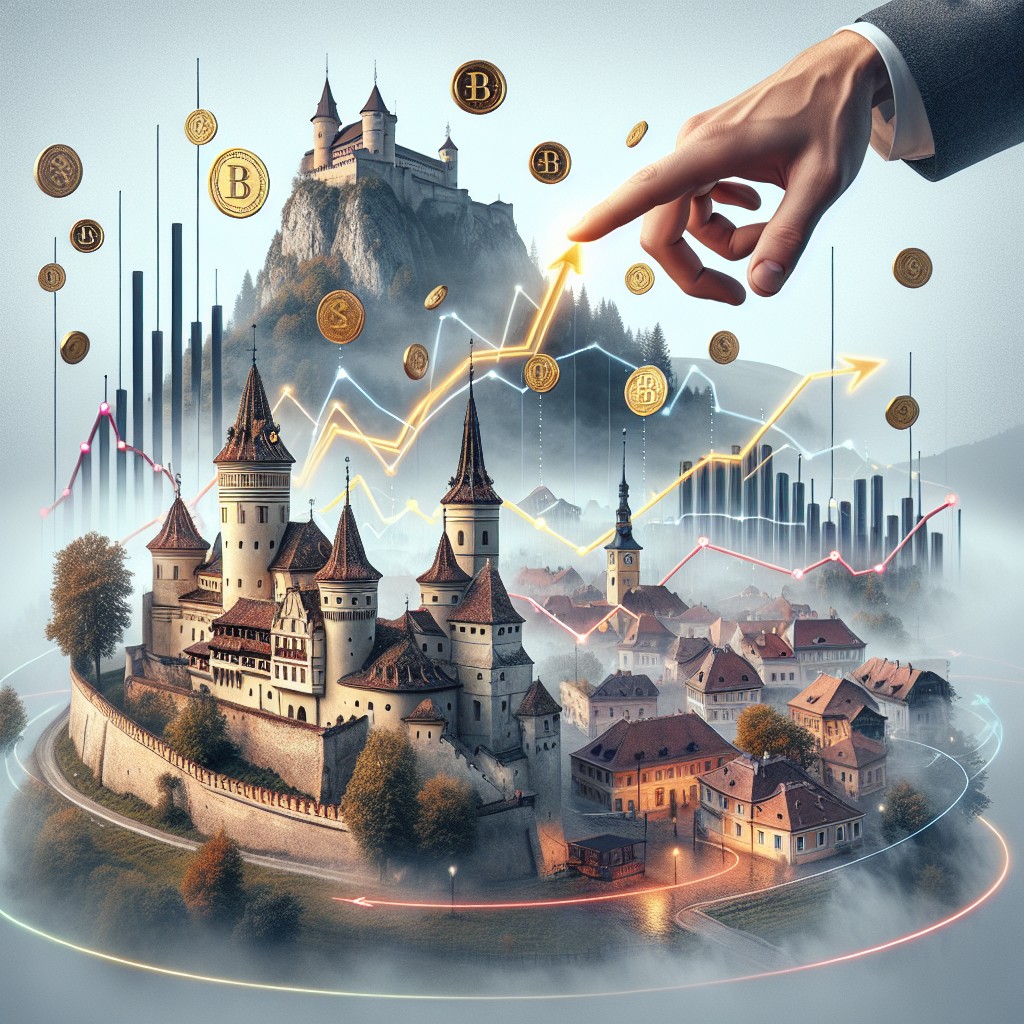
Financial markets are particularly sensitive to policy uncertainty. When investors are unsure about future policies, it leads to increased market volatility as expectations about economic conditions fluctuate. For instance, uncertainty concerning fiscal stimulus measures, interest rates, or trade agreements can drive stock prices to swing unpredictably. This volatility reflects risk premiums, where investors demand higher returns for bearing the increased risk caused by uncertain policy environments.
Effects on business investment and economic growth
Policy uncertainty often causes businesses to delay or reduce investments. Companies facing unclear regulations or unpredictable tax policies may postpone hiring, capital expenditures, or expansion plans until they have a clearer understanding of the economic landscape. This hesitation can slow down economic growth, as reduced investment dampens productivity improvements and job creation. Research has shown that elevated policy uncertainty correlates with lower GDP growth rates in affected countries.
How policy uncertainty influences everyday costs for consumers
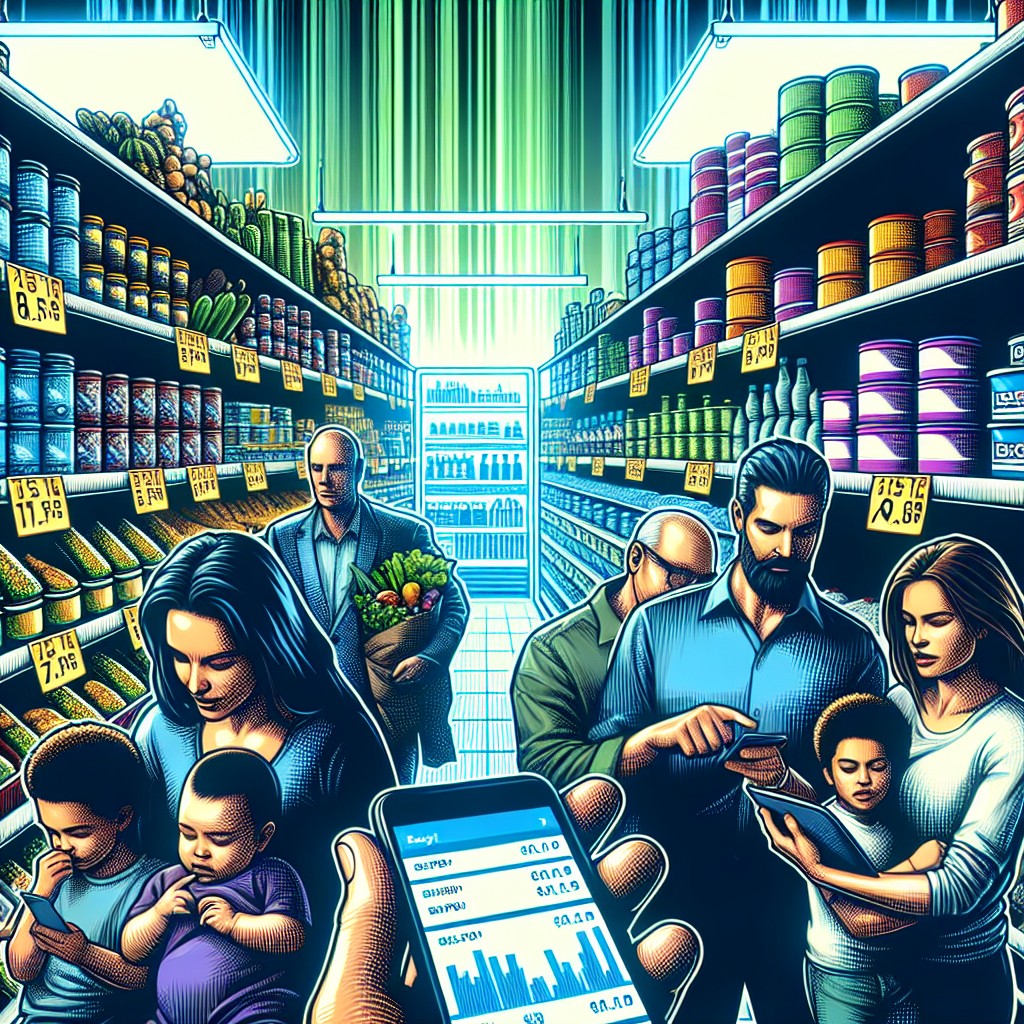
Consumers can experience higher costs or altered prices due to policy uncertainty. For example, uncertainty about tariffs or trade policies may affect import and export prices, which in turn impacts the cost of goods. Similarly, unclear fiscal policy regarding taxes or subsidies can lead to fluctuating utility or fuel prices. Inflation can also be influenced indirectly when policy uncertainty affects supply chains or production costs, making everyday expenses less predictable.
Managing policy uncertainty and future outlook
Governments and policymakers play a key role in reducing policy uncertainty by maintaining transparent communication and predictable regulatory environments. Stable policy frameworks allow markets and consumers to plan more effectively. While occasional uncertainty is inevitable in democratic and complex economies, efforts to provide clear guidance can mitigate adverse impacts. Looking forward, as global economic challenges evolve, monitoring and managing policy uncertainty will remain crucial in sustaining market confidence and controlling costs for consumers.
Frequently Asked Questions about policy uncertainty
What triggers policy uncertainty in an economy?
Policy uncertainty is triggered by unclear or unpredictable government actions, including unpredictable changes in taxation, regulations, or monetary policy often resulting from political events or economic shifts.
How does policy uncertainty affect financial markets?
Financial markets react to policy uncertainty with increased volatility as investors reassess risks and potential returns based on changing expectations about government decisions.
In what ways can policy uncertainty increase everyday costs for consumers?
Policy uncertainty can result in fluctuating prices for goods and services due to changes in trade policies, taxes, or subsidies, which affect supply chains and production costs.
Can businesses prepare for periods of high policy uncertainty?
Businesses can implement risk management strategies and maintain flexible plans, but high policy uncertainty often leads to deferred investments and cautious decision-making.
Why is it important for policymakers to reduce policy uncertainty?
Reducing policy uncertainty helps stabilize markets, encourages investment, supports economic growth, and protects consumers from unpredictable cost fluctuations.